AI slop is low-quality content made with AI and pushed out into the world with little or no human effort.
You’ve seen the posters.
A tournament announcement on Facebook. The lighting is too perfect. The players’ hands have six fingers. The text in the background says something like “PICKLEBAL TOURNAMNET.” And at the bottom, a real business logo, proudly attached to all of it.
Here in Bacolod, I see this almost every week now — especially with pickleball tournaments. The whole poster is AI-generated, posted straight to the public, and nobody involved seems to have looked at it twice.
There’s now a name for this. It’s called AI slop. And if your business is producing it, it’s costing you something you can’t easily buy back: credibility.
Let me explain what AI slop actually means, in plain language — and where the line is between using AI smartly and using it lazily. Because I’m not anti-AI. I use it every single day. That’s exactly why I can tell you where the line is.
AI Slop Meaning: The Plain Definition
The term got so widespread that Merriam-Webster now defines “slop” as digital content of low quality, produced in quantity by means of artificial intelligence.
But forget the dictionary. Here’s the version that matters for your business.
AI slop is what happens when you follow this three-step recipe:
- Step one: you type a prompt.
- Step two: the AI gives you an output.
- Step three: you copy, paste, and post it to the public.
That’s it. That’s the whole recipe. Prompt, output, post. No editing, no effort, no human touch in between.
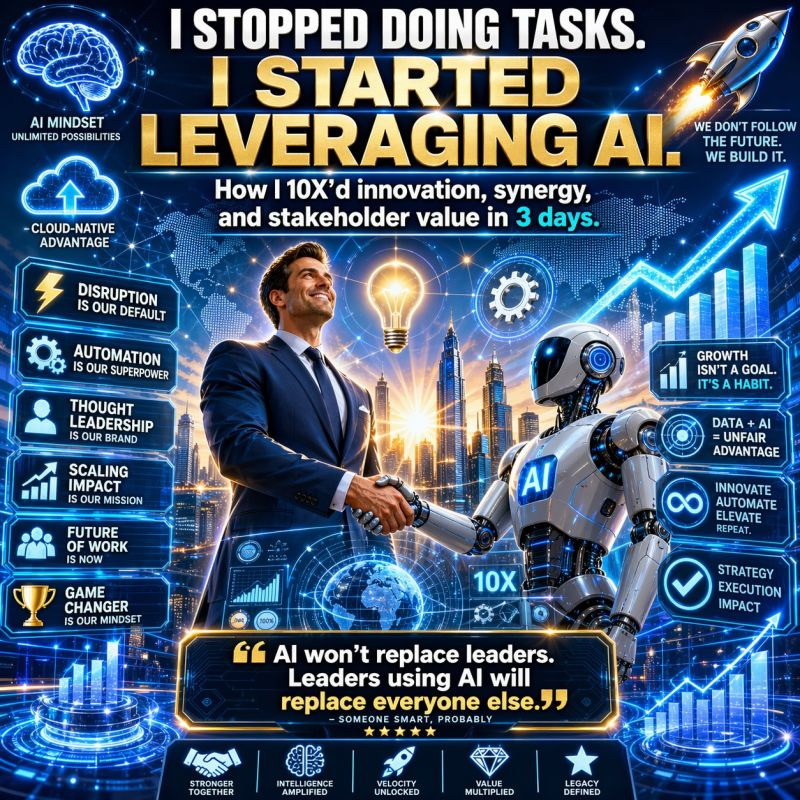
It applies to posters, logos, captions, and blog posts alike. The tool isn’t the problem. The copy-paste-post part is the problem.

Why This Matters More Than You Think
You might be thinking: “It’s just a poster. It saved me time and money. Who cares?”
Your customers care. Here’s what the research says:

93% of consumers say authentic engagement is what builds their trust in a brand. Meanwhile, 31% of consumers say they distrust AI-generated content entirely — making it the least trusted content format in the survey.
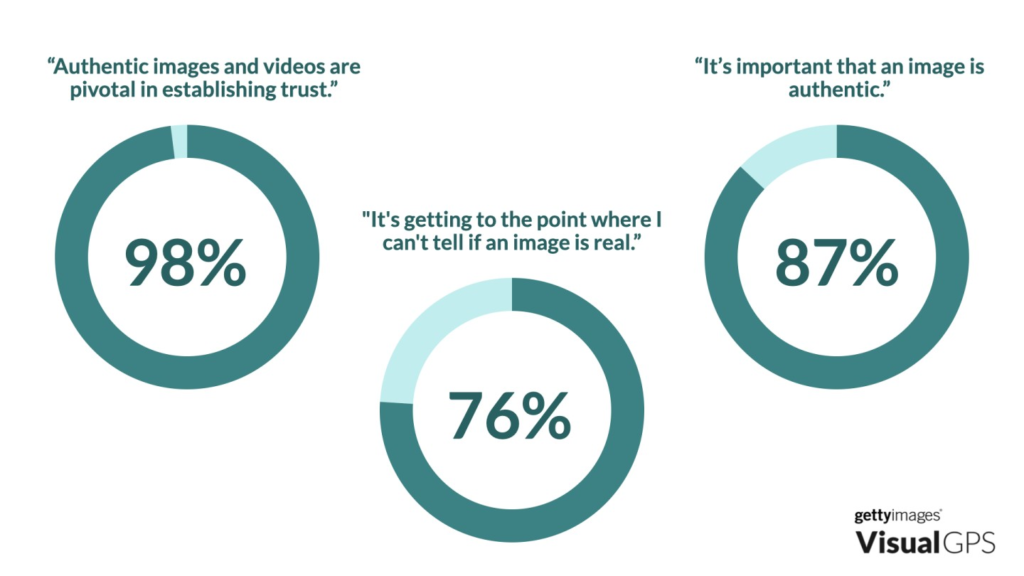
And nearly 90% of consumers want brands to be transparent about when images are AI-generated.
Sources: Emplifi, 2025; Getty Images
Let’s break that down in plain terms.
When someone sees your AI-generated poster, they’re not thinking “wow, this business is high-tech.” They’re thinking: this business didn’t make an effort. And if you didn’t make an effort on your poster, what does that say about your product? Your service? Your attention to detail?
Think of it like this. Serving an AI slop poster to your audience is like serving instant noodles at a fiesta. Technically, you served food. But everyone at the table noticed.
“Nobody Can Tell Anyway” — They Can
This is the most common defense I hear, and I understand it. But it’s wrong, and it’s getting more wrong every month.
I’ve used AI daily for years, and I can spot an AI-generated poster in about one (or five) second. I can’t always explain exactly what gives it away — the plastic-smooth lighting, the melted text, the faces that are somehow too symmetrical — but I know it when I see it. And I’m not special. Your customers are developing the same instinct, fast.
The younger your customers, the sharper that instinct.
And here’s where it gets serious for your reputation.
82% of Gen Z say they trust Reddit when researching products and brands. Reddit is where they go to ask “is this business legit?” — and Reddit users are famously brutal about AI slop. Entire threads exist just to call out businesses posting AI-generated marketing.
Source: HubSpot Reddit Statistics, 2025
What does this mean for you? If Gen Z is part of your market, your business is already being judged in places you’re not looking. It’s worth searching your business name on Reddit once in a while — the same way you’d check your Google reviews. If the first thing people associate with your brand is a six-fingered poster, that impression spreads without you ever seeing it.
When AI Content Is Actually Fine
Let me be fair here, because the line matters.
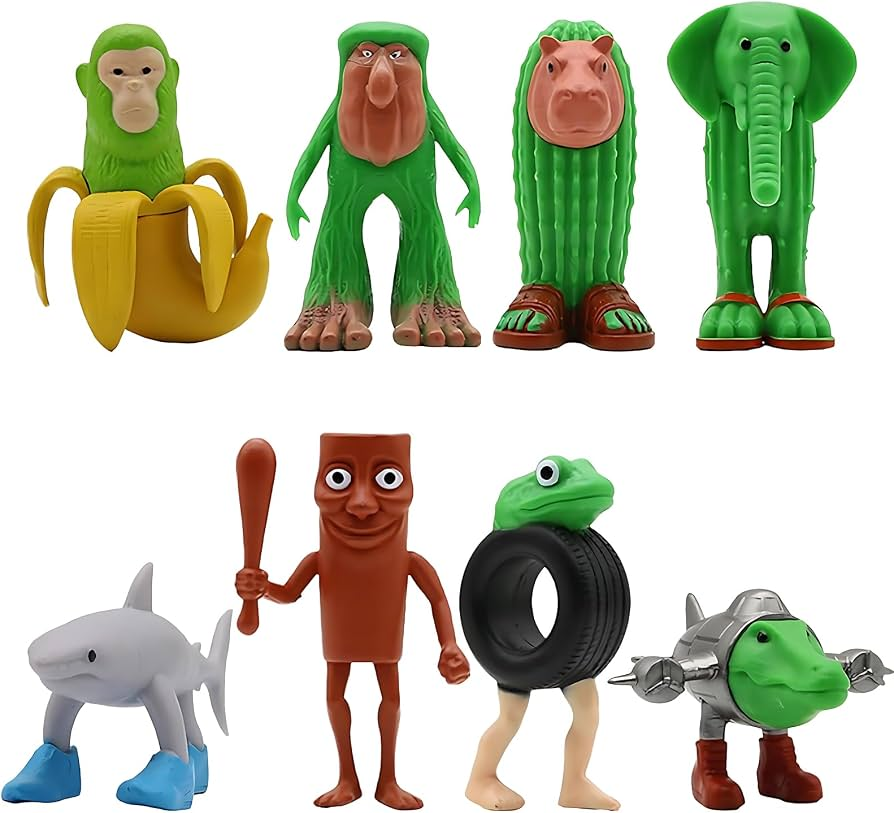
AI-generated images are fine for fun. A meme. A trending AI style everyone’s playing with. Content that’s clearly a joke and clearly not pretending to be real. Nobody loses trust over a meme.
The line gets crossed when AI content carries real information — an event date, a price, a promo, your logo. The moment an AI-generated poster is doing the job of official communication, it stops being fun and starts being your brand. And if it looks like slop, your brand looks like slop.
Fun: AI content, clearly for laughs.
Slop: AI content, pretending to be your marketing.
Let Me Be Honest: I Use AI Every Day
Here’s the part where I could pretend to be purely anti-AI. I won’t, because I’m not.
I use AI every single day in my work. For research, drafts, inspiration. For getting unstuck. AI is genuinely useful — and it’s now normal. Your competitors use it. I use it. You probably use it.
That’s exactly why authenticity is now your edge.
When AI content floods every feed, the businesses that show human effort stand out more, not less. People want to see less AI. People want to see human. This is especially true if your brand is on the premium side, or if you’re targeting customers with money to spend — because those customers read effort as quality. A business that clearly invests time in how it presents itself gets treated as a business worth paying.
And the reverse is just as true. A business posting obvious AI slop gets read as lazy and cheap — even by customers who can’t explain why they feel that way.
The smart way to use AI is as your assistant, never your final output. Ask AI for poster ideas. Generate ten variations. Find one you like — and then don’t post it. Use it as inspiration, and recreate it yourself in Canva, better, with your real colors and your real details. That way the thinking is accelerated by AI, but the thing your customers actually see was made by a human who cared.
What to Do Next
Three things, all doable this week:
First, audit your last ten posts. Would a stranger be able to tell which ones were copy-paste AI? If yes, you know what to fix.
Second, adopt the one rule that prevents slop entirely: AI drafts, human finishes. Use AI for ideas and inspiration as much as you want — just never let its raw output be the thing you publish.
Third, search your business name on Reddit and Facebook. Know what people are actually saying about how you present yourself.
If you found this useful, I write practical digital marketing advice like this for Philippine business owners — plain language, no hype.
Join my newsletter and I’ll send new posts straight to your inbox. Fill the form below!
Sources
- Merriam-Webster — Definition of “slop” — merriam-webster.com/dictionary/slop
- Wikipedia — AI slop — en.wikipedia.org/wiki/AI_slop
- Emplifi Survey, 2025 — Digital Authenticity & AI Report — emplifi.io
- Getty Images — Consumer transparency on AI images — newsroom.gettyimages.com
- HubSpot — Reddit Stats and Facts, 2025 — blog.hubspot.com/marketing/reddit-stats
- The Conversation — What is AI slop? — theconversation.com
